- Warm and waterproof clothing or sun hat and sun cream depending on the weather
- Sturdy footwear
- Lunch, drinks and snacks
Author: Admin (Page 3 of 16)
Details to follow.
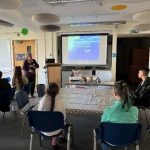
For our April session we learnt about Japanese culture and archaeology. The session was led for us by MAYA helper Caroline Pathy Barker. Our sessions usually concentrate on the archaeology of the British Isles so this was something really new and interesting for most of our members. Caroline is involved with the Online Resource for Japanese Archaeology and Cultural Heritage (ORJACH). She started out with a PowerPoint presentation about Japanese culture and history, followed by a short quiz to see if we were paying attention! Caroline also brought along some Japanese archaeological artefacts for us to look at, including pottery, obsidian tools and replica Haniwa statues from burial mounds.
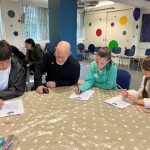
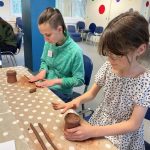
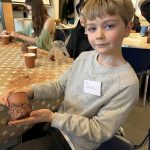
After break we made Japanese-style Jomon pots. The Jomon period dates from 14,500 BC right up to around 300 BC so this style of pottery is really old. We started out by coiling sausages of clay around a cardboard cup former, slowly building the coils up to around halfway up the cup. We then smoothed the clay with water to get a nice smooth finish. It was then time to decorate our pots, and Caroline had brought along a selection of objects that would have been used in the Jomon period – bamboo sticks, shells and woven string, which we pressed into the clay to make patterns. Very effective!
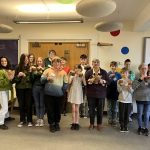
The MAYANS took their pots home and after they have dried for a day or two they can remove the cardboard cup and end up with an authentic-looking Jomon pot. A big thank you to Caroline for a really fun and interesting session!
Our February MAYA session was something very interesting and unusual. It was led for us by MAYA volunteers Rob and Caroline and was about Artificial Intelligence and Archaeology.
The session began with Rob showing us a PowerPoint about the origins of AI, explained how it worked and talked about the pros and cons of using AI. Rob had asked an AI programme to actually write the PowerPoint for him which was amazing!
After this Caroline talked about how AI was helping modern archaeology and how it might develop in the future, e.g. reconstructing archaeological sites using virtual reality while they were actually being excavated, developing 3-D models, and enhancing LiDAR and geophysical surveys. She also showed us some fascinating on-line videos using AI to animate stone carving on the walls of Greek and Roman temples.
After a break we split up into small groups and designed plans for our own AI programmes which could help archaeologists in the future. Ideas included on-site analysis of pottery and flint, translating Egyptian hieroglyphs, using a 3-D printer to instantly print models of aerial photos of new archaeological sites, and an automatic cat-shaped wheelbarrow which tidied up your excavation tools!
This was a fascinating session and really got our young archaeologists to use their imagination. They are the ones who will be using AI more often in future, and this was an intriguing insight into what the future of archaeology might be.
For November session we were back in the Museum of Somerset for a really special event as the session was run by MAYA members! We invited members to bring along items or photos they collected and give a short talk to the rest of the group. We also asked the adult helpers to bring along items from their collections as well.
The session began with James who had prepared a PowerPoint presentation showing photos of his holiday to Egypt and all the amazing archaeological sites he had visited – a really colourful and interesting start to the day. James was followed by Molly who gave a talk about a Roman silver coin which she had found whilst metal detecting. Molly had also brought along some other more recent coins she had found.
The session then continued with Sophie who had brought in her fascinating collection of antique cameras. Then Arran and his dad showed another PowerPoint about their holiday to Orkney and the fascinating prehistoric sites they visited.
Bobby was next with his collection of English Heritage Guide Books from all the sites he had been to. He was followed by Josie and then Freyja, both of whom brought in an eclectic assortment of items they had found over the years in their gardens or whilst out walking in the countryside or on the beach.
Between the talks we had a short breaks where MAYA members could look around the room at the objects the adult helpers had brought in, including flint tools and pottery, excavation photos and assorted brass antique objects. The session was a great success and we were very proud of all our members, both those who gave the talks and the interest and attention paid by those in the audience. This is something we definitely hope to do again!
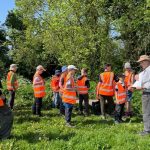
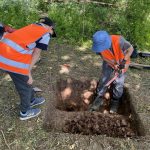
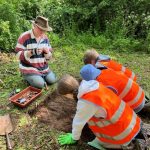
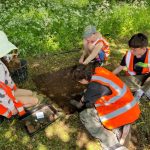
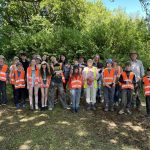
The weather looks good so we will be walking from the Heritage Centre to Norton Fiitzwarren hillfort (about 10 mins walk). We will be taken on a guided tour around the hillfort by the County Archaeologist Bob Croft and also digging a couple of test pits.
We will be outside all day so please bring:
Sturdy and practical footwear (Bob Croft stressed this)
Toilets are available at the Heritage Centre before we leave and we will do a toilet run back to the Heritage Centre at lunchtime.
If you haven’t already done so you need to email to book your place on this session as it’s important we know how many are coming.
This session will be run by County Archaeologist Bob Croft around Norton Fitzwarren Church and Hillfort. Timings to be confmried.
This session will be run by Hugh Williams looking at the Stop Line of Taunton.
This session will be run by Caroline and Rob, from 10:30-12:30 at the Museum of Somerset.


Recent Comments